top of page
Featured Sessions

08:12
How A Song Became A Lawsuit: The Truth About Death On Two Legs
Think you know the story behind Queen's most aggressive track? Death on Two Legs is not just a venting session; it is a meticulously crafted legal brief set to a baroque piano arrangement. Freddie Mercury wrote a three-and-a-half-minute court filing that named his target in the liner notes without ever saying his name, and the result was legendary. 🎹
In 1975, Queen topped the charts with "Killer Queen" while the band members lived in damp flats and struggled to buy drumsticks. This video explores the bitter contract dispute with Trident Audio Productions that pushed Freddie Mercury to write a song so specific that it led to a defamation lawsuit. We dive into the financial trap that sparked the anger, the high-stakes negotiation to win their freedom, and the technical brilliance behind the track that opened A Night at the Opera. 🎤
From the unsettling B minor arpeggio to the layered vocal harmonies, every note of Death on Two Legs serves as a witness statement against their former management. Learn how the band risked everything on a single album and how the man the song was written about accidentally proved it was about him by suing the band. It is a fascinating look at the intersection of music history, law, and rock-and-roll revenge. 🎸
Linktree: https://linktr.ee/SoundJamm
Chapters:
0:00 The legal brief in a song
1:15 Queen's financial trap in 1975
2:45 Breaking free from Trident
4:10 Freddie Mercury's lyrical deposition
5:35 The musical structure of the track
7:00 The lawsuit and the Streisand effect
7:50 Closing thoughts and community
Are you a Queen fan? Let me know your favourite album or if you ever saw them live in the comments below. I would also love to hear your thoughts on this track. Please like and subscribe to help the channel grow so I can bring you more stories from the world of music. ✌️
#queen #freddiemercury #anightattheopera #musicstory #rockhistory

10:05
Is David Bowie The Only Artist Who Knew When To Stop?
Why do so many classic rock bands and legendary artists struggle when they release new music? For many fans, a new single from a beloved band brings anxiety rather than excitement. Instead of hearing the raw sound that made them famous, listeners often encounter overproduced tracks, excessive autotune, and modern production techniques that seem disconnected from the artist’s original identity. In this video, we explore the growing tension between artistic legacy and commercial relevance in today’s music industry.
The modern music business is driven by streaming algorithms, playlist placement, and digital engagement. As a result, many legacy artists and classic rock bands face enormous pressure to adapt to current trends in order to remain visible. We examine how autotune, vocal processing, quantisation, loudness mastering, and brickwall limiting can remove the character and authenticity from iconic voices. When legendary singers are reshaped to fit modern pop standards, the emotional connection that defined their music can be lost.
We also investigate how streaming platforms and music industry trends encourage artists to follow formulas that prioritise volume, playlist performance, and viral appeal over artistic integrity. From generic songwriting to trend-chasing production choices, many veteran musicians find themselves caught between preserving their legacy and staying commercially relevant.
Not every artist falls into this trap. One of the greatest examples is David Bowie's final album, Blackstar. Rather than chasing radio hits or modern trends, Bowie embraced artistic evolution, creative risk, and the realities of ageing. Blackstar is widely regarded as one of the greatest farewell albums in music history and serves as a powerful lesson in authenticity, artistic freedom, and the preservation of legacy.
This music analysis explores why some legendary musicians damage their legacy with unnecessary comeback releases, why others reinvent themselves successfully, and whether protecting an artist’s legacy is sometimes more important than releasing new music. From classic rock to modern streaming culture, this is a deep dive into music production, artist identity, and the changing landscape of the music industry.
👉👉 Chatting Tracks Linktree: https://linktr.ee/ChattingTracks 👈👈
Chapters
0:00 The Dread of the New Single
1:35 Why the Industry Demands New Products
3:15 How Modern Production Kills the Human Touch
5:00 The Algorithm and the Death of Dynamics
6:45 Case Study: David Bowie and Blackstar
8:30 Protecting a Legacy vs Catalogue Erosion
10:05 End
Which legacy acts do you think should have stopped sooner? Are there any late-career albums that you think are actually brilliant? Let me know your thoughts in the comments below. If you enjoyed this analysis, please like and subscribe to help the channel bring you more music deep dives.
#musicindustry #classicrock #davidbowie #musicproduction #legacyartists #MusicIndustry #RockMusic #ClassicRock #MusicCommentary #MusicHistory #LegacyArtists #DavidBowie #Blackstar #MusicProduction #AudioEngineering #MusicFans #ModernMusic #StreamingEra #ArtistLegacy #MusicAnalysis #BehindTheMusic #MusicDocumentary #AuthenticMusic #MusicCulture #LegendaryArtists

07:44
The WORST Michael Jackson Song? Let's Talk About The BAD Duet
Imagine the two biggest stars of the 1980s in one room, ready to record the ultimate duet. Michael Jackson and Prince almost made history with the track Bad, but the session ended in a legendary standoff that changed pop music forever. 🎤
In 1986, the world nearly witnessed the greatest collaboration in music history. Michael Jackson invited his only true rival, Prince, to join him on the title track for his upcoming album. This video dives deep into the tense atmosphere at Westlake Studios, where two completely different musical philosophies collided in real time. 🎸
While Michael Jackson and Quincy Jones spent months building a wall of digital precision using the Sinclavier, Prince preferred the raw, unquantized energy of a first take. We explore how these conflicting styles made a duet nearly impossible, and the specific lyric that led Prince to question the whole project. 🎹
Even though the collaboration failed, the fallout pushed both artists to reach their creative peaks. From the commercial juggernaut of Bad to the critical masterpiece Sign of the Times, discover how this missed opportunity forced both legends to become more purely themselves. 🌟
👉👉 Chatting Tracks Linktree: https://linktr.ee/ChattingTracks 👈👈
Chapters
0:00 The meeting that almost changed pop history
1:25 The pressure of following Thriller
2:45 Clinical precision vs raw spontaneity
4:12 Why the Bad Duet Fell Apart
5:48 The aftermath and musical legacy
7:05 Join the conversation
Are you Team Michael or Team Prince? Let me know your favourite album and if you ever saw them live in the comments below. If you enjoyed this deep dive into music history, please subscribe to help the channel grow and see more stories like this. 🎶
#michaeljackson #prince #musichistory #bad #80smusic #MichaelJackson #Prince #BadAlbum #SignOfTheTimes #MusicHistory #80sMusic #PopMusic #LegendaryArtists #QuincyJones #BehindTheMusic #MusicDocumentary #MusicLegends #DuetThatNeverWas #RecordingStudio #PopCultureHistory #ClassicHits #MusicFacts #RockAndPop #IconicRivalry #VintageMusic

09:55
Was Imagine Really His Biggest Hit? | John Lennon Solo Career Breakdown
John Lennon's solo discography is a wild ride that swings from experimental soundscapes to massive radio hits. While some records were designed to reject the charts entirely, others became global phenomena that defined generations. 🎸
In this video, we are breaking down John Lennon's solo albums based strictly on sales, chart performance, and commercial impact. We explore everything from the controversial covers of his early experimental work to the massive success of Imagine and the tragic circumstances surrounding the release of Double Fantasy. Discover how political protests, nostalgia, and personal loss shaped the commercial legacy of one of music's most iconic figures. 💿
We look at the numbers behind the music, including gold and platinum certifications, radio airplay, and the cultural events that turned these records into legends. Whether it was the raw emotion of the Plastic Ono Band or the polished production of Walls and Bridges, Lennon's career path was anything but a straight line. 🎹
👉👉 Chatting Tracks Linktree: https://linktr.ee/ChattingTracks 👈👈
Chapters
0:00 The Strange Path of Lennon's Solo Career
1:00 Experimental Beginnings and Rejection of Commerce
2:30 Sometime in New York City and Political Protest
3:30 Milk and Honey and the Posthumous Echo
4:25 Mind Games and the Mid-Seventies Vibe
5:00 Rock and Roll and the Power of Nostalgia
5:45 Walls and Bridges and the First Number One
7:00 Plastic Ono Band and Primal Therapy
8:10 Imagine the Global Anthem
9:00 Double Fantasy and the Final Legacy
#JohnLennon #JohnLennonSoloCareer #PlasticOnoBand #JohnLennonDiscography #WallsandBridges #MusicHistory #AlbumSalesRanking #YokoOno #TheBeatlesSoloProjects #TwoVirginsControversy #RockandRollAlbum #WhateverGetsYouThroughtheNight #MindGamesJohnLennon #ClassicRockAlbums #BillboardChartHistory #JohnLennonvsTheBeatles #MilkandHoneyAlbum #PrimalScreamTherapyMusic #EltonJohnandJohnLennon #RecordCertifications

34:49
Charlene Opens Up About 'I've Never Been to Me' – The Real Story Behind the Hit
Step into the time machine with Rob the Face for Radio Burgess as he sits down for an intimate conversation with the legendary Charlene. Known globally for her timeless anthem Ive Never Been to Me, Charlene shares the highs and lows of a career that saw her go from a farm girl in overalls to a Motown superstar. This episode is a deep dive into the heart of the 80s music scene and the personal journey of a truly resilient artist.
In this interview, Charlene opens up about the raw emotion poured into her signature song, revealing how a painful divorce fueled the vocal performance that eventually topped charts worldwide. You will hear firsthand accounts of her time at Motown, from auditioning for Berry Gordy while Diana Ross looked on, to the intimidating but brilliant producers who pushed her to her limits.
We also dive into the controversy surrounding her duet with Stevie Wonder, "Used to Be," which was banned by the BBC for its provocative lyrics. Charlene discusses her journey through career burnout, her success as an author of historical fiction and children's books, and her recent return to music with the moving track Why Can't Time Stand Still. Whether you are a die-hard fan of 80s nostalgia or curious about the inner workings of the music industry, this interview is a must-watch.
Chapters
0:00 Intro to the 80s Rewind Show
2:15 Early career and performing in Las Vegas
4:50 Meeting Berry Gordy and the Motown family
7:30 The audition in overalls at the commissary
10:15 Life at Motown and meeting Michael Jackson
13:10 The conception of Ive Never Been to Me
16:45 Channelling personal pain into the recording
19:40 The gruelling vocal sessions and Ron Miller
23:15 Initial failure and the sudden global comeback
26:00 The banned Stevie Wonder duet Used to Be
28:45 Writing books and life after the charts
31:20 New single Why Can't Time Stand Still
33:50 Closing thoughts and future projects
34:48 Video end
If you enjoyed this trip down memory lane, make sure to subscribe to the channel and leave a review. Let us know in the comments what your favourite Charlene memory is and what 80s icons you want to see next!
#Charlene #Motown #80sMusic #IveNeverBeenToMe #MusicHistory
#80sMusic #MotownRecords #CharleneSinger #I'veNeverBeentoMe #BerryGordyStories #MichaelJacksonMotown #DianaRossStories #The80sRewindShow #MusicInterview #SmokeyRobinson #80sPopHits #RonMillerSongwriter #ClassicHitsHistory #BehindtheScenesMotown #StevieWonderUsedtoBe #WhyCan'tTimeStandStillCharlene #PopMusicPodcast #OneDayinYourLifeMichaelJackson #EvergreenPopHits #HowtogetsignedtoMotown

01:02:37
Jack Hues: The Story Behind Wang Chung's Biggest 80s Hits
Dive into the neon-soaked sounds of the 80s with Jack Hues, the creative force behind the legendary band Wang Chung. In this deep-dive episode of the 80s Rewind Show, host Rob Burgess sits down with Jack to explore his incredible journey from a childhood Beatles obsession to topping the global charts with era-defining hits like Dance Hall Days and Everybody Have Fun Tonight.
Jack shares fascinating behind-the-scenes stories about the early days of the band, the transition from Huang Chung to Wang Chung, and the unique experience of recording at Abbey Road. We discuss the technical side of 80s music production, including the frustrations and triumphs of using the Fairlight CMI and early drum machines to create the perfect pop sound.
The conversation also covers Jack's transition into film scoring for William Friedkin’s To Live and Die in L.A. and what it was really like touring with icons like The Cars and Tina Turner. Jack reflects on the shifting musical landscape of the early 90s and his continued passion for classical composition and orchestral projects. Whether you are a die-hard fan of 80s synth-pop or simply interested in the intricacies of songwriting, this interview offers a rare look into the mind of a true musical pioneer.
Chatting Tracks Linktree: https://linktr.ee/ChattingTracks 👈👈
Chapters
0:00 Welcome to the 80s Rewind Show
3:15 Early Musical Roots and the Beatles
7:40 Learning Guitar and First Compositions
11:20 The Art of Songwriting and Methodology
15:50 University Days and Classical Training
20:15 Discovering Jazz and Expanding Horizons
24:40 The Intellectuals and 57 Men
29:10 The Birth of Wang Chung and Arista Records
33:30 Signing with David Geffen
38:05 Recording at Abbey Road Studio Two
42:45 The Technology of 80s Pop Production
47:10 The Story Behind Dance Hall Days
51:30 Top of the Pops Memories
55:50 Touring with The Cars and Tina Turner
59:15 Scoring To Live and Die in L.A.
1:01:45 Advice for Modern Musicians
1:02:36 Final Thoughts and Wrap Up
If you enjoyed this trip down memory lane, please like and subscribe to the channel. Share this episode with your friends and family to help spread the love for 80s music.
#wangchung #80smusic #jackhues #synthpop #podcast
#80sMusic #JackHues #WangChung #The80sRewindShow #MusicPodcast #SongwritingMethodology #BeatlesInfluence #EverybodyHaveFunTonight #DanceHallDays #80sNostalgia #MusicInterview #LearningGuitar #RetroMusic #ClassicRockInterviews #JackHuesInterview #Howtowritesongs #MusicHistory #80sPopCulture #RadioBurgess #80sRewindPodcast

44:21
The REAL Story Behind 'Pass the Dutchie' | Dennis Seaton
Step back into the 1980s with the lead singer of one of the most iconic bands of the decade. In this episode of The 80s Rewind Show, host Rob sits down with Dennis Seaton of Musical Youth to discuss the group's meteoric rise and the incredible stories behind their biggest hits.
Dennis opens up about his early musical influences, ranging from the soulful licks of Stevie Wonder to the reggae of John Holt. He shares the fascinating history of how "Pass the Dutchie" was adapted from its original version to become a global sensation, and what it felt like to be a number-one artist while still in school. The conversation dives deep into the band's golden years between 1981 and 1985, including their experiences recording at the Hit Factory and their groundbreaking appearance on MTV.
Beyond the hits, Dennis recounts his personal interactions with music royalty, including Michael Jackson, Paul McCartney, and Donna Summer. He also discusses his time working with Eddy Grant in Barbados and the pivotal decision to leave the band in 1985 for his own well-being. From touring the rural corners of Ireland to dining with NWA in Los Angeles, this interview covers the full spectrum of a life lived through music. Now reunited with Michael Grant, Dennis is celebrating the 40th anniversary of their success and looking forward to new musical projects.
Chatting Tracks Linktree: https://linktr.ee/ChattingTracks 👈👈
Chapters
0:00 Intro to The 80s Rewind Show
2:45 Early Musical Influences and Stevie Wonder
5:15 The History of Help Me Make It Through the Night
9:30 Joining Musical Youth and the Early Days
13:00 Transitioning to Lead Singer
16:45 Playing Live and the Working Mens Club Circuit
19:15 The True Story of Pass the Dutchie
23:30 Handling Media Pressure and Controversy
27:00 Reaching Number One While Still in School
31:15 Working with Donna Summer on Unconditional Love
35:00 Meeting Michael Jackson and Stevie Wonder
38:30 Recording with Eddy Grant in Barbados
41:00 Leaving the Band and Solo Years in Ireland
43:15 Meeting NWA and Current Projects
44:21 Closing Remarks
If you enjoyed this deep dive into 80s music history, please like this video and subscribe to the channel for more exclusive interviews with your favourite artists.
#musicalyouth #80smusic #reggae #dennisseaton #passthedutchie
#80sMusic #DennisSeaton #MusicalYouth #ReggaeMusic #PasstheDutchie #The80sRewindShow #StevieWonder #SongsintheKeyofLife #JohnHolt #1000VoltsofHolt #80sNostalgia #MusicPodcast #HelpMeMakeItThroughtheNight #ReggaeHistory #MusicalYouthInterview #ClassicReggae #ChrisKristofferson #80sPopMusic #DennisSeatonMusicalYouth #MusicInfluences

01:19:39
Rusty Egan: The Man Who Invented New Romanticism
Step back into the neon-soaked days of the 1980s with the legendary Rusty Egan, the man who arguably defined the sound of the New Romantic movement. In this deep-dive episode of the 80s Rewind Show, host Radio Burgess sits down with the Tornado of Talk himself to discuss everything from the legendary Blitz Club to the creation of Visage.
Rusty shares incredible stories from his time as a DJ and musician, offering a raw and unfiltered look at the underground Soho scene that changed music history. We explore his early life in an Irish musical family, his transition from drumming to DJing, and his unique philosophy on what it takes to actually move a dance floor. Rusty also opens up about the technical evolution of music production, his experiences with David Bowie, and the complexities of the music business.
Whether you are a fan of synth-pop, a follower of 80s fashion, or a music lover interested in the transition from punk to electronic beats, this interview is packed with historical gems. Rusty discusses his collaborations with icons like Midge Ure, Tony Hadley, and Peter Hook, while also highlighting the new music he continues to produce today.
Chatting Tracks Linktree: https://linktr.ee/ChattingTracks 👈👈
Chapters
0:00 Intro and Sponsor Shoutout
2:45 Introducing the Tornado of Talk Rusty Egan
5:12 Rusty's Musical Roots and Irish Heritage
9:30 DJs vs Producers and the Art of Collaboration
14:15 The Technical Side of Mixing and Gear
19:20 The Evolution of the DJ Industry
24:40 Starting Out at Billy's Club
29:05 The Real Soho Underground Scene
34:10 Playing Rewind Festival and the 80s Legacy
39:50 Moving to The Blitz and Discovering Talent
44:25 When David Bowie Came to the Blitz
49:15 An Audience with Rusty Egan and TOTP Theme
54:30 The Visage Royalties and Steve Strange Story
1:00:10 Making New Music with Midge Ure
1:04:45 Collaborating with Tony Hadley and Peter Hook
1:10:20 Modern Synthwave and the Current Club Scene
1:15:35 Life Lessons and the Power of Music
If you enjoyed this trip down memory lane, please like this video and subscribe to the channel for more exclusive interviews with the icons of the 80s. Don't forget to share your favourite Blitz Club memories in the comments below!
#80sMusic #RustyEgan #NewRomantic #TheBlitz #Visage
#80sMusic #NewRomanticMovement #RustyEganInterview #ElectronicMusicHistory #TheBlitzClubLondon #The80sRewindShow #DJingvsProducing #MidgeUre #VisageBand #Synth-popOrigins #80sNostalgia #RetroMusicCulture #NewWaveMusic #HistoryofDJing #MusicCollaboration #80sClubScene #GaryNuman #TheSkids #Ultravox #ElectronicBeatsEvolution
15:31
Queen's Biggest Hit Almost Never Got Released
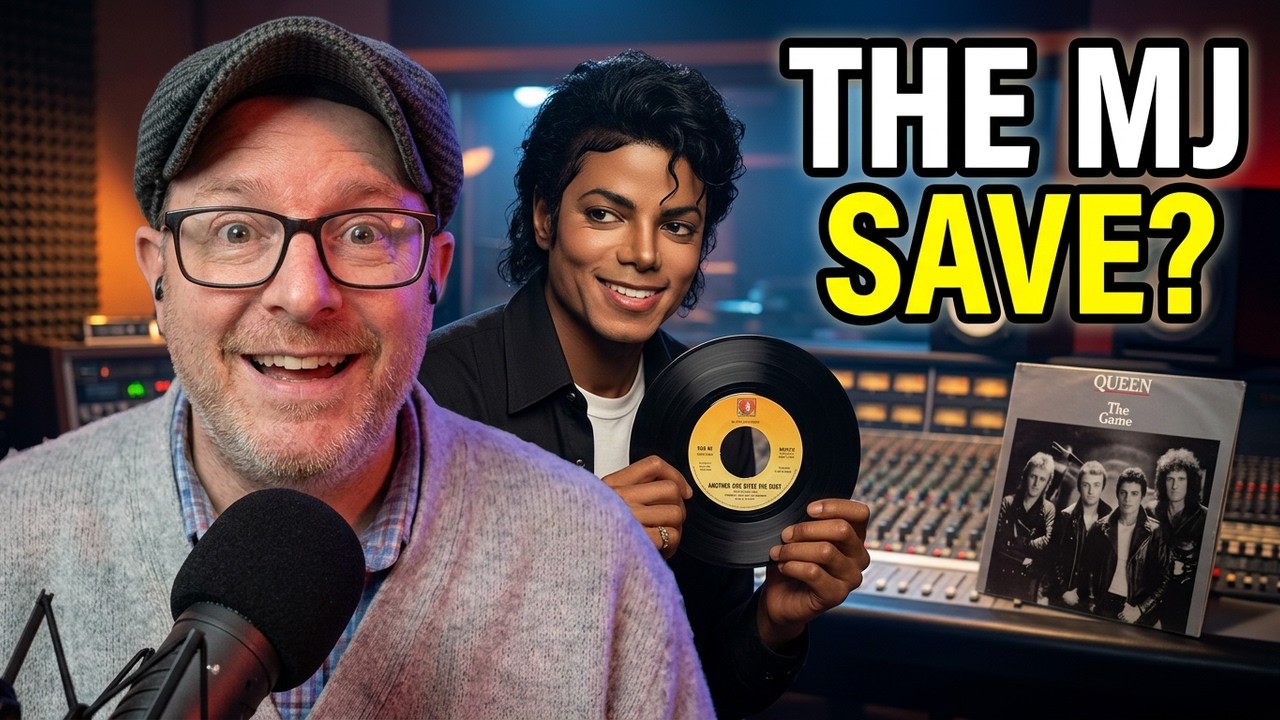
Are you ready to revisit one of the most iconic albums of the 1980s? Join Woody and Andy as they dive deep into Side A of Queen's legendary record, The Game. From massive global hits to experimental deep cuts, we explore why this album remains a staple for music lovers everywhere. 🎸
In this video, we break down the first half of the 1980 masterpiece that changed the band's sound forever. We discuss the bold move to finally embrace synthesisers with the opening track, "Play the Game," and how John Deacon's love of funk and disco led to some of the most recognisable basslines in music history. You will hear about fascinating studio stories, including how Michael Jackson convinced the band to release Another One Bites the Dust and why Freddie Mercury rushed to record Crazy Little Thing Called Love before the rest of the band could change his vision. 🎤
We also share our honest opinions on deep cuts like "Dragon Attack" and "I Need Your Lovin' Tonight," debating whether these tracks are underrated gems or spontaneous studio jams. Whether you are a lifelong member of the Queen fan club or a newcomer discovering their album tracks for the first time, there is plenty of trivia and musical analysis here for everyone. 🥁
👉👉 Chatting Tracks Linktree: https://linktr.ee/ChattingTracks 👈👈
Chapters
0:00 Intro to The Game Album
2:15 Play the Game and Synthesisers
5:00 Dragon Attack and Studio Jams
7:30 Another One Bites the Dust History
10:45 I Need Your Loving Tonight Review
13:15 Crazy Little Thing Called Love
15:00 Final Thoughts and Side B Teaser
If you enjoyed this deep dive into Queen's discography, make sure to hit the subscribe button and ring the bell for notifications so you do not miss our upcoming review of Side B. Tell us in the comments which track from Side A is your absolute favourite and if you ever had the chance to see these songs performed live! 👋
#Queen #TheGameAlbum #AnotherOneBitestheDust #ClassicRock #FreddieMercury #BrianMay #JohnDeacon #QueenDeepCuts #PlaytheGameQueen #DragonAttackQueen #80sMusicHistory #QueenSynthesizers #MusiclandStudiosMunich #MichaelJacksonandQueen #BestQueenAlbums #RockMusicAnalysis #QueenDiscography #QueenGreatestHits #QueenBandDocumentary #VinylRecordReview
24:46
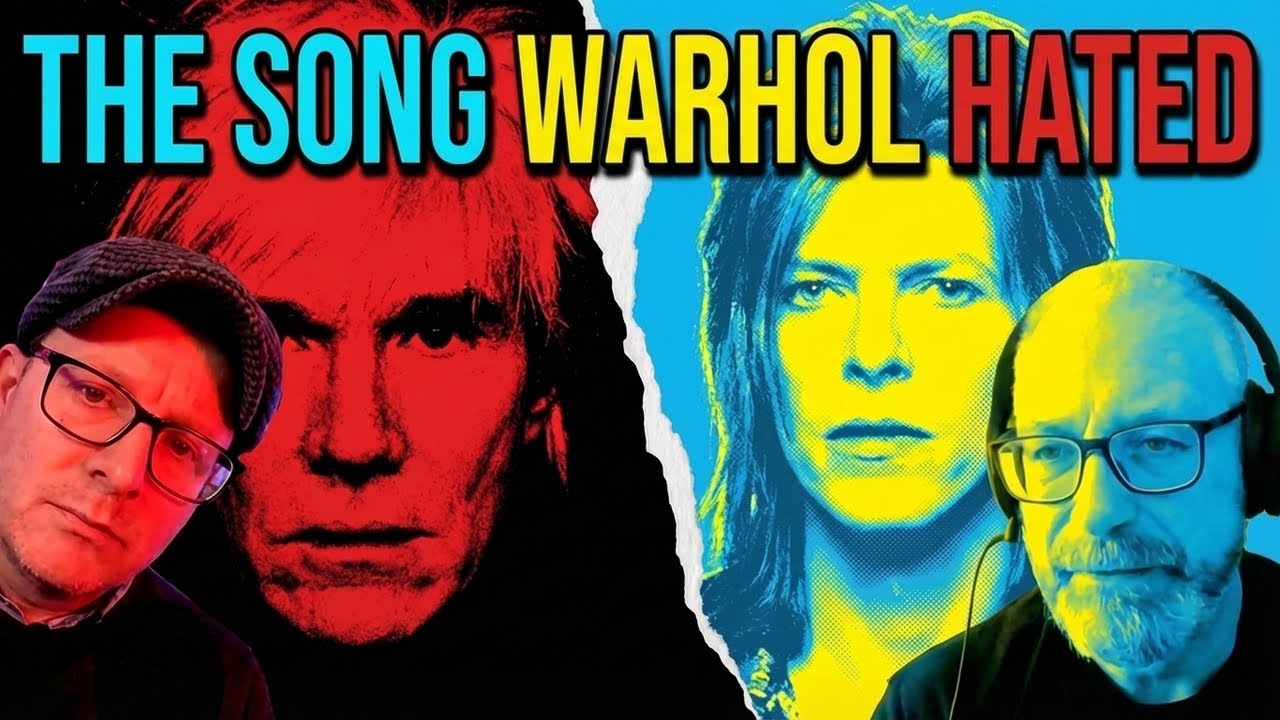
Did Andy Warhol Actually HATE This David Bowie Song?
Welcome back to Chatting Tracks as we flip the record to explore the legendary B-side of David Bowie’s Hunky Dory. This side of the album is a masterclass in tribute, parody, and the beginning of the glam rock revolution. Robbie and Andy dive deep into the tracks that defined an era and set the stage for the rise of Ziggy Stardust.
In this episode, we break down the whimsical orchestration of "Fill Your Heart" and the fascinating studio banter in "Andy Warhol". We discuss Bowie’s relationship with American pop culture through his songs for Bob Dylan and Lou Reed, exploring how these influences shaped his own artistry. From the raw, live energy of Queen Bitch to the cryptic and deeply personal themes of mental health in The Bewlay Brothers, we leave no stone unturned on this classic record.
We also take a moment to admire the iconic album artwork, discussing its nods to silver screen goddesses and how it broke boundaries with its androgynous style. To wrap things up, we give our final rankings for the album. Will it reach the number one spot, or does it fall further down the list? Watch until the end to see the debate unfold.
👉👉 Chatting Tracks Linktree: https://linktr.ee/ChattingTracks 👈👈
Chapters
0:00 Intro and Side B Overview
0:45 Fill Your Heart: Whimsy and Orchestration
4:25 Andy Warhol: Homage or Parody?
8:40 Song for Bob Dylan: The New Voice of Rock
11:25 Queen Bitch: The Birth of Ziggy Stardust
16:30 The Bewlay Brothers: Mystery and Mental Health
20:15 Iconic Album Art and Androgyny
22:30 Final Rankings: Is it the Greatest?
24:00 Final Thoughts and Community Questions
Did you ever have the chance to see David Bowie perform live? Which song on Hunky Dory is your absolute favourite? We love hearing your stories and opinions, so please join the conversation in the comments section. If you enjoyed this deep dive, make sure to subscribe to the channel for weekly album reviews and music history.
#davidbowie #hunkydory #classicvinyl #musicreview #ziggystardust
#ClassicRock #MusicAnalysis #AlbumReview #HunkyDoryB-side #FillYourHeartDavidBowie #AndyWarholDavidBowiesong #Bowiesongmeanings #ChattingTracks #DavidBowieorchestration #VinylCommunity #1970sMusic #RockHistory #DavidBowie70s #DavidBowiesongs #ClassicAlbums #MusicCommentary #RockMusicAnalysis #Bowiecharacterportrayal

31:20
Was this David Bowie's greatest masterpiece?
David Bowie's Hunky Dory isn't just an album; it is the moment a legend truly found his voice and set the stage for the next decade of rock history. Join Robbie and Andy as they dive deep into the stories, secrets, and sonic brilliance behind this 1971 masterpiece recorded at the iconic Trident Studios.
In this episode of Chat Tracks, we explore the transition from piano-based music to the arrival of the legendary Spiders from Mars. We unpack the layers of Bowie's songwriting, from the anthemic calls for reinvention in "Changes" to the surreal, cinematic journey of "Life on Mars". You will hear the fascinating backstory of how a rejected English version of My Way led to one of the greatest songs ever written, and why a random phone call was left in the final mix.
We also discuss the more personal and philosophical sides of the record. We look at the domestic warmth of Kooks, written for Bowie's newborn son, and the heavy, haunting depths of the underrated deep cut Quicksand. Whether you are a lifelong fan or just discovering the Thin White Duke, this track-by-track breakdown offers fresh perspectives on the album that changed everything.
👉👉 Chatting Tracks Linktree: https://linktr.ee/ChattingTracks 👈👈
Chapters
0:00 Intro to Chat Tracks and Hunky Dory
3:20 Recording at Trident Studios with Ken Scott
6:50 When Bowie First Entered Our Lives
9:45 Changes: The Anthem of Identity and Reinvention
13:15 Oh You Pretty Things and Pop Culture Connections
17:30 Eight Line Poem and Suburban Boredom
21:10 Life on Mars: The Monster Masterpiece
25:40 Kooks: Fatherhood and Domestic Bliss
29:15 Quicksand: Philosophy and Emotional Depth
31:20 Final Thoughts and Wrap Up
We would love to hear from you in the comments section. What is your favourite track on Hunky Dory, and how do you personally pronounce Bowie? If you enjoyed this deep dive, please consider subscribing to the channel. It is a free way to support us and helps us continue creating detailed music history content for you.
#davidbowie #hunkydory #musichistory #classicrock #lifeonmars
#AlbumReview #DavidBowieChanges #MickRonson #TridentStudios #KenScottProducer #TheSpidersfromMars #1970sMusic #MusicAnalysis #DavidBowieHistory #ZiggyStardust #RockMusicDeepDive #DavidBowieLyrics #GlamRock #DivineSymmetry #MusicDocumentary #BowieorBowiepronunciation
38:09
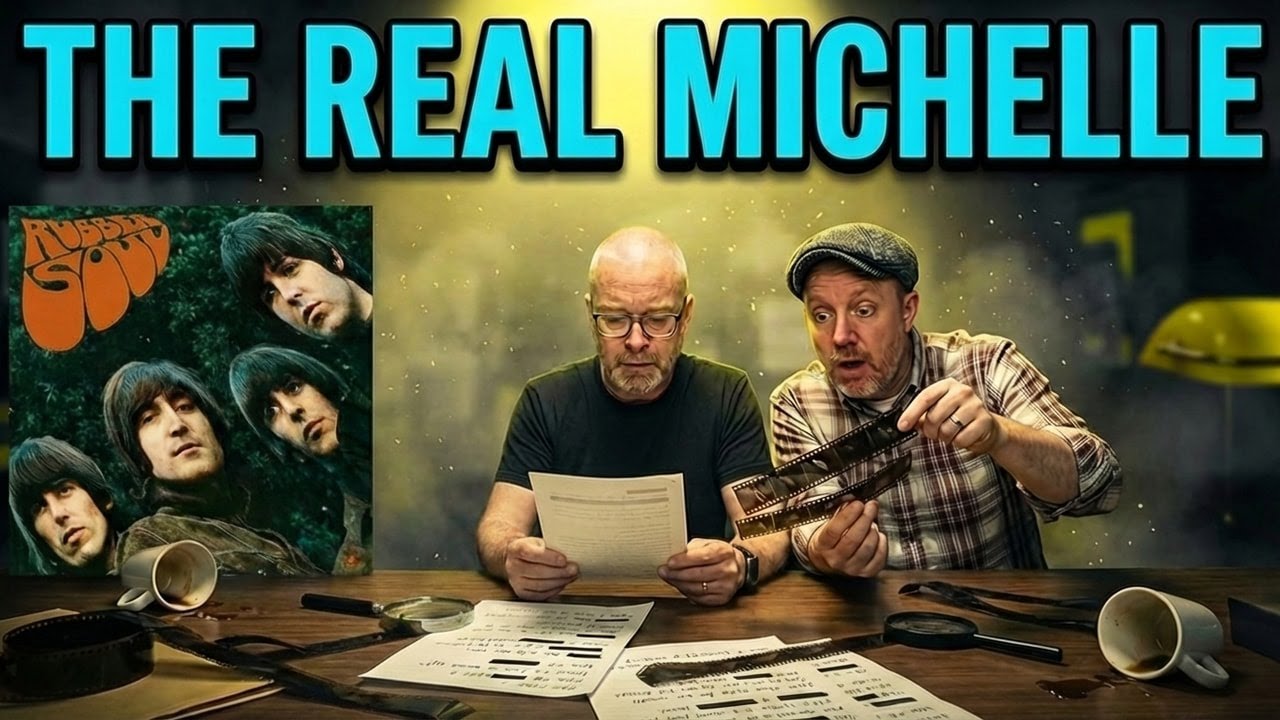
Did The Beatles Peak on Rubber Soul?
Welcome back to Chatting Tracks for part two of our deep dive into the legendary Rubber Soul album by The Beatles. Join Robbie, Pete, and Andy as we explore the B-side tracks and debate the songs that defined a massive transitional period for the Fab Four. Whether you are a lifelong fan or a new listener, there is plenty to uncover in this track-by-track breakdown.
In this episode, we discuss the French influence on Michelle and why Ringo Starr tracks like What Goes On are such a refreshing change of pace. We dive into the experimental sounds of Girl, including those famous breathing techniques and the unique guitar work that pushed the boundaries of 1960s production. The team also shares an emotional look at In My Life, exploring why it remains one of the most beautiful and honest statements about the human experience ever recorded.
We also tackle the more controversial side of the album with Run For Your Life and discuss George Harrison’s growth as a songwriter with If I Needed Someone. From the sparse arrangements of Paul McCartney’s I’m Looking Through You to the iconic cover art and the meaning behind the title Rubber Soul, no stone is left unturned. We wrap things up by sharing our personal rankings and discussing how nostalgia shapes our love for these classic records.
Chatting Tracks Linktree: https://linktr.ee/ChattingTracks 👈👈
Chapters
0:00 Intro and Michelle
3:30 What Goes On and Ringo
8:00 Seeing Ringo Live
10:30 Girl and Experimental Sounds
15:15 I’m Looking Through You
19:00 In My Life
23:45 Wait and Album Fillers
26:00 If I Needed Someone
30:15 Run For Your Life
34:00 The Album Cover and Title
36:30 Final Rankings and Outro
If you enjoyed this deep dive, please like and subscribe to help our channel grow. We are just a group of mates talking about the music we love, and your support means the world to us. Let us know in the comments which track from Rubber Soul is your favorite and tell us where you would rank this album in your top 100.
#thebeatles #rubbersoul #musicreview #classiclyric #vinylcommunity
#TheBeatles #RubberSoulAlbumReview #ClassicRockMusic #BeatlesDeepDive #MichelleBeatlesSongAnalysis #RingoStarrWhatGoesOn #Lennon-McCartneySongwriting #BeatlesGetBackDocumentary #PaulMcCartney #JohnLennon #GeorgeHarrison #BeatlesFrenchLyrics #RingoStarrDrummingStyle #VinylCommunity #BeatlesB-Sides #RockHistory #ChattingTracks #Beatles1965 #BestRockAlbumsofAllTime #RingoStarrPeaceandLove
bottom of page